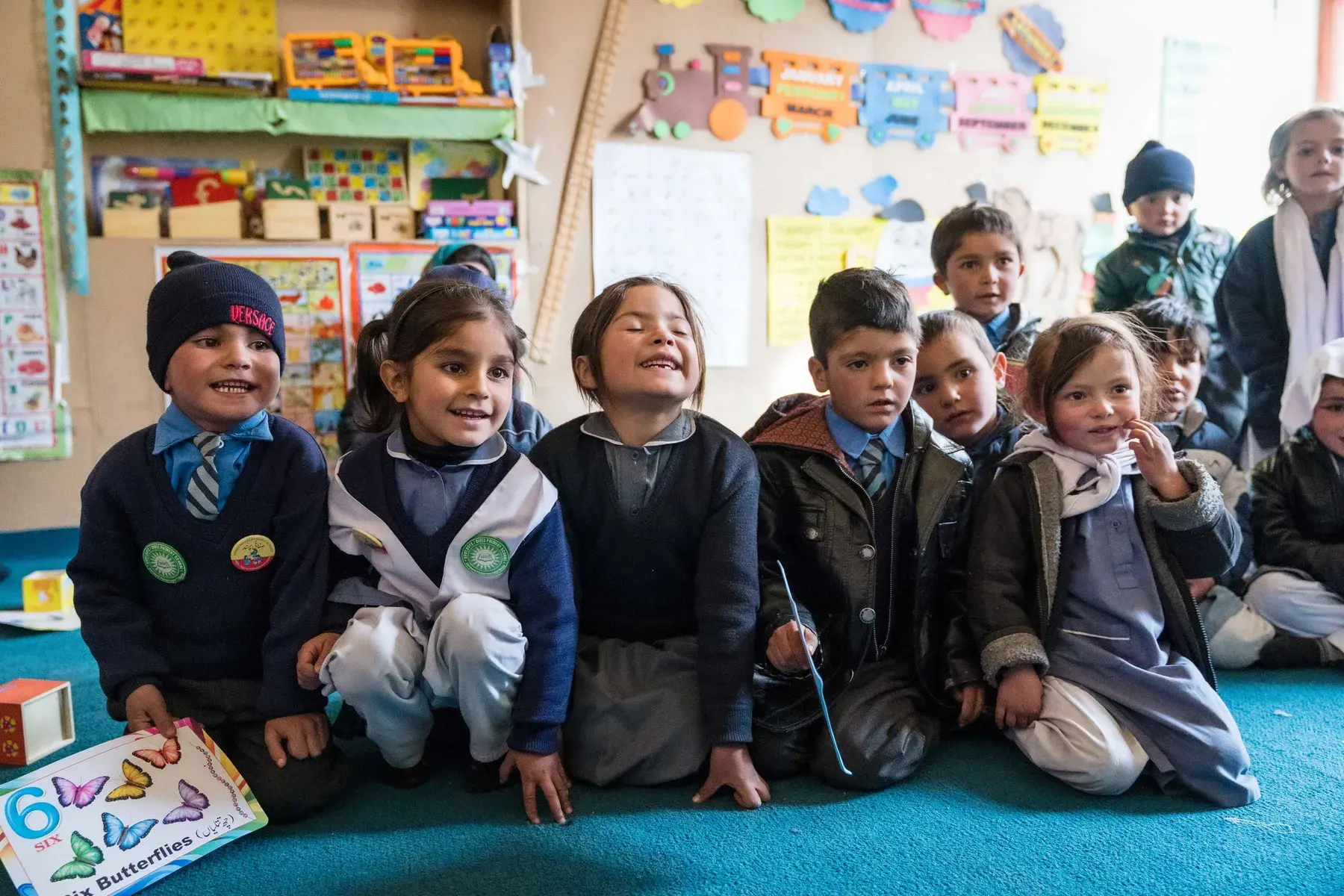
Language plays a crucial role in education because it is the primary medium through which knowledge is transmitted. In Pakistan, the diversity of languages presents both opportunities and challenges for educators, students, and policymakers. Understanding the impact of language policies on education helps identify ways to improve learning outcomes and access for all children.
Language Diversity in Pakistan
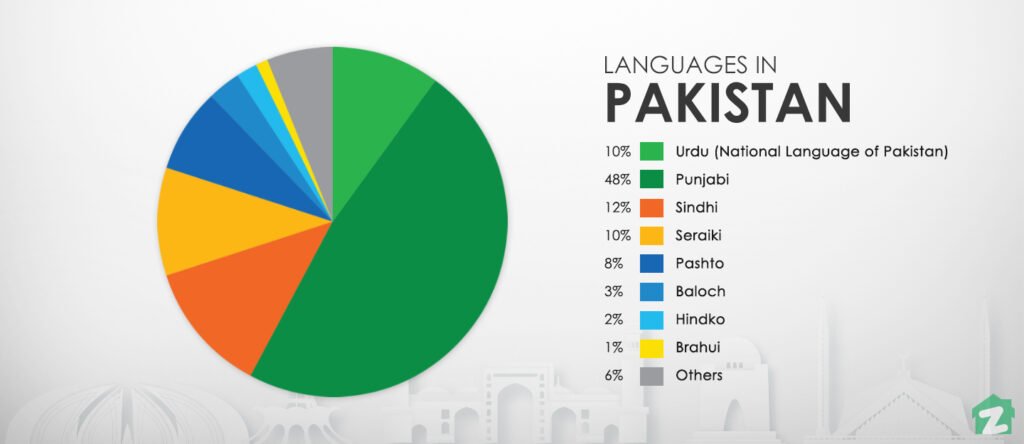
Pakistan is home to many languages, including Urdu, Punjabi, Sindhi, Pashto, Balochi, and regional dialects. Urdu is the national language, while English is widely used in higher education and official communication. Local languages dominate in rural areas and community settings. This diversity makes language policy a critical factor in education planning and curriculum development.
Language Policies and Their Implications
Government language policies determine the medium of instruction in schools. Decisions about whether to use Urdu, English, or regional languages affect how well students understand lessons and retain knowledge. Schools that use languages unfamiliar to students often face higher dropout rates and lower academic performance. Policies that incorporate local languages can improve comprehension, engagement, and participation.
The Role of Mother Tongue in Early Education. Research shows that children learn best in their mother tongue during early education. Using a familiar language helps them grasp concepts, develop literacy skills, and build confidence. In Pakistan, many children start school in a language that is not their mother tongue, which can create barriers to learning and reduce motivation.
Challenges of Multilingual Education
Implementing multilingual education requires trained teachers, appropriate textbooks, and resources. Many schools struggle to provide these materials, which limits the effectiveness of language policies. Additionally, political, social, and economic factors influence which languages are prioritized in different regions.
Benefits of Inclusive Language Policies
Inclusive language policies that respect regional languages while gradually introducing national or international languages can enhance learning. Students gain strong foundational skills and can later transition to other languages for higher education and career opportunities. This approach supports both cultural identity and educational success.
The Way Forward
Improving education in Pakistan requires careful attention to language policy. Policymakers, educators, and communities must collaborate to develop strategies that make learning accessible, effective, and inclusive. Promoting mother tongue instruction while supporting bilingual or multilingual skills can bridge gaps and create better outcomes for students.
Final Thoughts
Language policies have a direct impact on the quality and accessibility of education in Pakistan. Thoughtful implementation can empower children to improve literacy and strengthen cultural identity. Organizations like Taleem Foundation are committed to supporting education initiatives that address these challenges and ensure that every child has the opportunity to learn and thrive.