
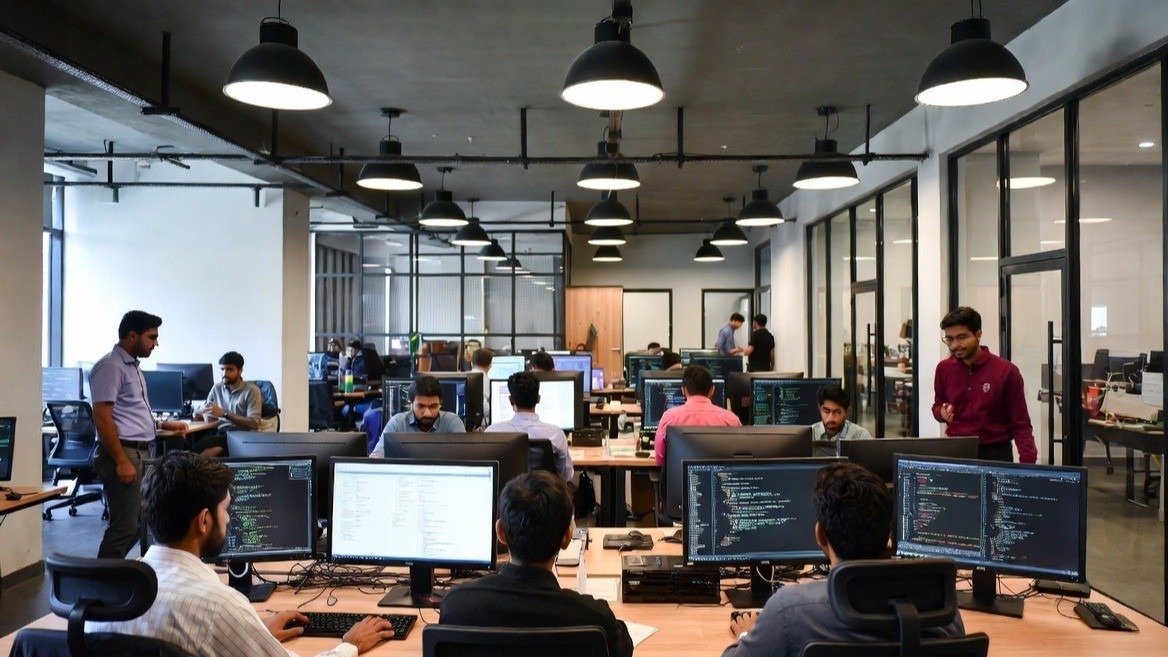
Pakistan’s technology industry has come a long way. From small software companies and freelance developers to growing startups serving international markets, the country is becoming an increasingly important part of the global technology landscape.
Behind this growth is a generation of talented young people who are learning programming, software development, artificial intelligence, cybersecurity, data science, and other digital skills.
From Karachi tech startups to the growing Lahore technology hub and the expanding Islamabad IT sector, Pakistan’s major cities are creating opportunities for students and young professionals to build careers that reach far beyond their local communities.
But one thing connects all of these success stories: education and access to skills.
Pakistan’s Growing Technology Ecosystem
Pakistan has a large and increasingly tech-savvy young population. As internet access, digital education, and technology training expand, more students are finding pathways into software development and other technology careers.
The country’s technology ecosystem includes:
- Software houses
- Technology startups
- Freelancers
- IT services companies
- E-commerce businesses
- Fintech companies
- Artificial intelligence initiatives
- Digital marketing agencies
- Technology incubators and accelerators
This ecosystem gives talented individuals opportunities to gain experience, work with international clients, and develop products for markets around the world.
Karachi: A Major Center for Technology and Startups
As Pakistan’s largest commercial city, Karachi has naturally developed into one of the country’s major technology centers.
The city’s startup ecosystem includes technology companies working in areas such as fintech, e-commerce, logistics, software services, and digital platforms.
For young people, the growth of Karachi tech startups means more opportunities to gain practical experience and develop skills that are valuable in both local and international markets.
The city is also home to universities, training programs, technology communities, and organizations that help connect students with the professional world.
Lahore: Building a Technology Hub
Lahore has emerged as another important center for Pakistan’s technology industry.
Often described as a growing Lahore technology hub, the city has developed a strong ecosystem of software houses, startups, educational institutions, and technology professionals.
Software companies in Lahore work with clients across the world, providing services in web development, mobile applications, cloud computing, artificial intelligence, and other areas.
For students and recent graduates, this creates an important bridge between classroom learning and professional experience.
The combination of universities, technology companies, startup communities, and skilled professionals makes Lahore an important part of Pakistan’s digital future.
Islamabad’s Growing IT Sector
Islamabad is also playing an increasingly important role in Pakistan’s technology landscape.
The Islamabad IT sector benefits from the city’s universities, technology organizations, startups, and highly educated workforce.
Technology professionals in the capital are working in areas ranging from software development and cybersecurity to artificial intelligence and digital services.
The city has also become an attractive location for startups and technology companies looking for access to skilled graduates and a growing innovation community.
Software Houses Pakistan Is Known For
Pakistan’s software houses have become an important part of the country’s technology economy.
Many Pakistani software companies provide services to international businesses, including:
- Web and application development
- Software engineering
- Cloud solutions
- IT consulting
- Artificial intelligence
- Data analytics
- Cybersecurity
- Quality assurance
- Digital transformation
Working with international clients exposes Pakistani developers to global standards, technologies, and business practices.
It also demonstrates that talent developed in Pakistan can compete successfully in international markets.
Pakistani Developers and Global Demand
One of Pakistan’s greatest technology assets is its people.
Pakistani developers are increasingly working with companies and clients around the world. Freelancing platforms, remote work, international outsourcing, and global technology companies have created new opportunities for professionals who may never have to leave Pakistan to work internationally.
A talented developer in Karachi, Lahore, Islamabad, or another Pakistani city can now contribute to a project serving customers thousands of miles away.
This represents a major shift.
Geography is becoming less important when someone has the right combination of education, technical skills, communication abilities, and professional experience.
Education Is the Foundation of Technology
Technology growth doesn’t begin with a startup. It begins with a student.
A young person needs access to quality education before they can become a software engineer, developer, entrepreneur, data scientist, or technology leader.
This is why investing in education is so important for Pakistan’s future.
Students need more than traditional classroom knowledge. They also need opportunities to develop:
- Digital literacy
- Problem-solving skills
- Critical thinking
- Programming knowledge
- Communication skills
- Creativity
- Entrepreneurship
- Adaptability
Providing these skills early can help students prepare for an economy where technology will play an increasingly important role.
Creating Opportunities Beyond Major Cities
While Karachi, Lahore, and Islamabad receive much of the attention, Pakistan’s technology potential extends far beyond its largest urban centers.
Students in smaller cities and rural communities can also become successful technology professionals when they have access to quality education, reliable internet, computers, training, and mentorship.
This is where educational organizations and community initiatives can make a meaningful difference.
When students are given access to resources, their location does not have to determine their future.
From Education to Economic Opportunity
The connection between education and technology goes beyond individual careers.
A stronger technology workforce can contribute to Pakistan’s broader economy by creating:
- New businesses
- Employment opportunities
- Export revenue
- Innovation
- International partnerships
- Freelancing income
- Local technology solutions
Every developer who builds an application, every entrepreneur who launches a startup, and every student who learns a valuable digital skill represents another piece of Pakistan’s future economy.
How Taleem Foundation Can Help Build the Next Generation
Organizations focused on education have an important role to play in preparing students for this future.
At Taleem Foundation, the focus is not simply on helping students complete their education. It is about helping young people develop the knowledge, confidence, and skills they need to pursue meaningful opportunities.
Technology education can be particularly powerful because it can connect students with opportunities beyond their immediate surroundings.
A student who learns to code today could become a software engineer tomorrow.
A student who develops strong digital skills could work with an international company.
Another student could build a startup that creates jobs for an entire community.
Education creates the possibility.
Opportunity helps turn that possibility into reality.
The Future of Pakistan’s Technology Talent
Pakistan’s technology story is still being written.
Karachi continues to grow as a startup and commercial center. Lahore is strengthening its technology ecosystem. Islamabad is expanding its IT and innovation community. Meanwhile, software houses, freelancers, startups, and independent developers across the country continue connecting Pakistani talent with global demand.
But the next chapter will depend heavily on education.
If more young people receive access to quality education, technology training, mentorship, and opportunities to apply their skills,
Pakistan can continue producing developers and technology professionals capable of competing on a global stage.
The world’s next great developer could be sitting in a classroom in Pakistan today.
The right education can help them discover what’s possible.