
Education has a great significance in the development of a country’s work force, economy, and its international image. The world has become smaller and today there are no restrictions on hiring employees within a certain country. There are companies that hire people from other countries depending on their qualifications. Thousands of graduates and skilled work force from Pakistan are working in international market places.
The level, availability, and relevance of education affect the ability of the Pakistani work force to compete in the international arena. Whether or not Pakistani graduates are competent enough depends largely on the education system of the country.
Understanding How Pakistani Education Affects the Global Labor Market gives an idea about the link between education development and professional opportunities in order to contribute to the international labor market.
Education Determines the Level of Pakistan's Work Force
It goes without saying that the level of a country’s work force depends on the education opportunities available in the country. Schools, colleges, universities, and technical institutions prepare people for professional work.
The country trains graduates in various professions such as medicine, engineering, information technology, business, education, and social sciences. The professionals help in developing local industries, and at the same time, they look out for employment chances outside the country.
An effective education system enables students to develop skills such as communication, problem solving, critical thinking, and technical skills. Such skills are crucial since international employers are increasingly seeking professionals that can adjust themselves to work requirements.
The increasing contribution of the Pakistan workforce global network shows how education can link local professionals to international industries. But improvement of education standards and training is crucial in increasing such contribution.
International Employment Opportunities for Pakistani Graduates
Globalization has provided more employment chances for professionals of developing countries. Pakistani professionals can look out for jobs in countries from the Middle East, Europe, North America, and Asia based on their qualifications, experience, and profession.
Nevertheless, obtaining a degree cannot automatically assure international employment. One should also possess professional licensures, relevant experience, and proper communication skills depending on the industry one wants to get involved in.
This makes internationally recognized qualifications, internships, professional certifications, and hands-on learning more valuable than ever before.
The success of Pakistani graduates in acquiring international employment depends on both academic accomplishments and their ability to use knowledge in practice. This process can be facilitated by career counseling, industry cooperation, and professional development that educational establishments can provide.
The Relation Between Education and Employment
One of the biggest problems Pakistan faces today is the disparity between academic learning and real-life job requirements. Students obtain a degree with theoretical knowledge but have no practical experience in performing tasks related to their future profession.
Thus, for instance, employers in technology require their employees to know programming languages, cybersecurity, data analysis, and collaboration software tools. Employers in businesses need people with good communication skills, project management capabilities, financial literacy, and analytical skills.
If educational establishments cannot keep their curricula up-to-date with industry developments, graduates will have difficulties in obtaining employment.
The connection between education and employment in Pakistan will require the collaboration between universities, employers, governmental bodies, and training organizations.
Internships, apprenticeships, occupation-specific courses, and projects can help students to learn about the expectations in workplaces before joining the workforce. This will also give employers the opportunity to recognize potential candidates and contribute to their professional development.
Development of Competences Meeting International Standards
Qualifications matter, but modern employers value competences. The world is developing fast due to such factors as automation, artificial intelligence, digital transformation, and emergence of new models of doing business.
The education in Pakistan should be adjusted to these changes and not only teach students how to study in the classroom.
Technical and vocational education can become one of the ways to do it. Education in IT, electrical installation, health care support, hospitality, construction, and high-tech manufacturing can prepare people for performing certain duties in the profession.
At the same time, it is crucial to develop transferable competences including teamwork, communication, leadership, adaptability, and problem-solving that will allow working with international teams and in different organizational contexts.
Skills improvement in the Pakistan labor market could increase competitiveness of the country’s graduates and help local firms get a better trained workforce.
Educational institutions need to constantly evaluate their programs to make sure that students acquire skills that remain relevant as industries change.
Contribution of Overseas Workers for Pakistan and other Countries
Professionals and skilled workers from Pakistan who live overseas are making contributions to the countries they work in, but at the same time have economic ties with Pakistan.
Apart from their individual contribution, these workers also provide assistance to industries that face labor shortage, share their professional knowledge and help to establish connections between international organizations and Pakistan.
The other contribution made by overseas Pakistanis is the remittances that they send to their home country. This money contributes not only to the wellbeing of families in Pakistan, but also helps in paying for education, healthcare, housing and the economy of local areas. The other contribution made by such remittances is that they help to form the foreign exchange resources of Pakistan.
These contributions of Pakistani workers abroad will be more effective if professionals acquire internationally recognized qualifications and come back with useful experience and knowledge.
The Role of Educational Institutions in Preparing Future Professionals
Educational institutes must ensure that they prepare their students for opportunities outside the conventional career path. It is not only about upgrading textbooks but also providing an environment that promotes curiosity, practical experience, and independent thinking.
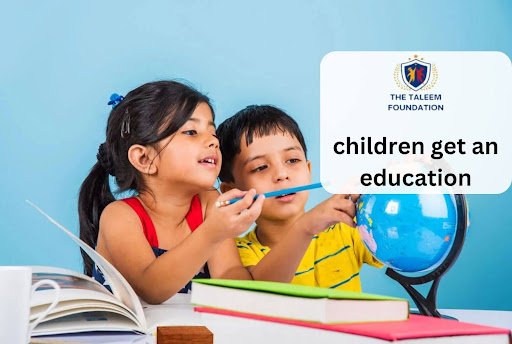
Organizations like Taleem Foundation understand the role of education in creating opportunities and fostering social development in the long run.
Better access to quality education, particularly for students from underprivileged communities, could help develop talent that otherwise would remain unrecognized. Scholarships, digital learning tools, teacher development, and career counseling could play an important role.
Furthermore, schools and colleges need to acquaint students with new career options and help them understand the necessary credentials, foreign education opportunities, and employment criteria.
Such efforts will help in building a workforce capable of contributing to the economy of both Pakistan and the world.
Preparing Pakistan's Next Generation for Global Opportunities
The education system in Pakistan has a direct impact on the quality and international competitiveness of the workforce. A strong educational base and professional development could help graduates get better opportunities while contributing to the economy of the country.
The bridging of the gaps between education and the needs of the industry becomes necessary. With better teaching practices, better access to technical education and closer ties between the educational institutes and employers, it will be possible for Pakistan to produce competent professionals for the future.
The concept of “education gives you opportunities” at Taleem Foundation goes beyond the mere idea; it embodies the idea of empowering people with education and skills to create successful career paths. Investment in education can help Pakistan to cultivate an educated workforce capable of joining in tomorrow’s economy.