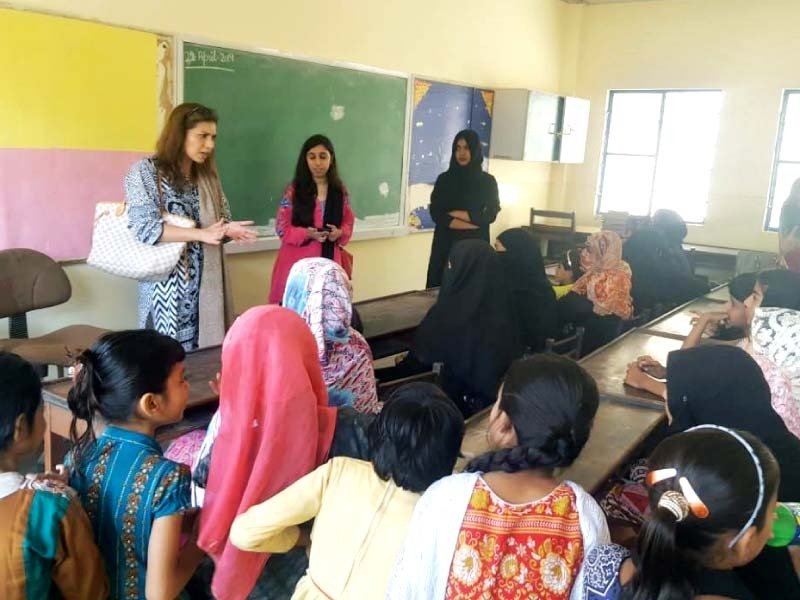
Across Pakistan, education is changing in ways that don’t always make headlines. In communities where access to quality education can be challenging, women are increasingly becoming teachers, school leaders, administrators, mentors, and advocates for children’s education.
This growing role of women in education is more than a professional development story. It can have a lasting impact on students, families, and entire communities.
At Taleem Foundation, we believe education becomes stronger when communities have dedicated educators and leaders who understand the needs of the children they serve.
The Growing Role of Women in Education
Women have long played an important role in Pakistan’s education system, particularly as teachers. For many girls and families, female teachers can provide an important sense of trust and familiarity.
Today, women are also taking on leadership roles as:
- School principals
- Head teachers
- Administrators
- School founders
- Academic coordinators
- Mentors
- Community education advocates
These roles allow women to influence not only classroom learning but also how schools operate and how students are supported.
Why Female Teachers Matter in Rural Pakistan
Access to education can be particularly challenging in rural communities. Distance, transportation, family concerns, and limited educational resources can all affect whether children attend school consistently.
In some communities, having female teachers can make families more comfortable sending their daughters to school.
A trusted female teacher can become more than an educator. She can serve as a role model who demonstrates to young girls that education can open doors to future opportunities.
Women as Education Leaders
The impact of women in education doesn’t stop at teaching.
A female principal or school administrator can influence:
- Academic standards
- Teacher development
- Student attendance
- Parent communication
- School culture
- Girls’ participation in education
When women participate in educational leadership, they can help create environments where students are encouraged to learn, ask questions, and develop confidence.
Girls Need Role Models
For young girls, seeing women in positions of responsibility can have a powerful effect.
A girl who sees her teacher leading a classroom, her principal managing a school, or another woman serving her community may begin to imagine herself in similar roles.
These everyday examples can help challenge the idea that certain careers or leadership positions are only for men.
Education isn’t just about what students learn from textbooks. Students also learn from the people they see around them.
Women and Community Development
Educating girls has effects that can extend beyond the classroom.
When girls receive access to quality education, they can develop knowledge, skills, confidence, and greater awareness of future opportunities.
Women who become educators can then contribute to the education of another generation.
This creates a powerful cycle:
Education → Opportunity → Leadership → Community Impact
A teacher today can inspire a student who becomes a teacher, doctor, entrepreneur, administrator, or community leader tomorrow.
The Importance of Supporting Female Educators
If communities want more children to have access to quality education, supporting teachers is essential.
Female educators need opportunities for:
- Professional development
- Leadership training
- Mentorship
- Access to educational resources
- Safe and supportive workplaces
- Career advancement
Investing in educators is ultimately an investment in students.
Women-Led Schools Can Create Lasting Change
A school doesn’t have to be large to make a difference.
A dedicated principal, committed teachers, engaged parents, and motivated students can create meaningful change within a community.
Women-led schools can become spaces where girls see education as a normal and valuable part of their lives. They can also create opportunities for women to contribute professionally while helping their communities grow.
The change may happen quietly, one classroom at a time, but its impact can extend for generations.
The Future of Women’s Leadership in Pakistani Education
The future of education in Pakistan depends on many factors, including access, resources, teacher training, infrastructure, and community support.
Women’s participation is another important part of that future.
As more women become educators and education leaders, they can help shape schools that encourage children to stay in school, pursue their interests, and develop the skills needed for their futures.
Supporting these women means supporting the students they teach and the communities they serve.
Taleem Foundation: Supporting Education and Opportunity
At Taleem Foundation, we believe every child deserves the opportunity to learn and grow.
Supporting schools and educators is an important part of building stronger educational communities. When teachers have the resources and support they need, they are better positioned to help students reach their potential.
Women educators are an essential part of that effort.
Their work may not always make national headlines, but every lesson taught, every student encouraged, and every young girl inspired represents a step toward a stronger future.
Final Thoughts
The story of women in Pakistani education is not only about statistics or institutions. It is about individuals.
It is the teacher who encourages a girl to stay in school. The principal who creates a supportive learning environment. The school founder who believes her community deserves better educational opportunities.
These women are helping shape the next generation—often quietly, consistently, and with extraordinary dedication.
When we support women in education, we don’t just empower educators. We help empower the students, families, and communities they serve.
Taleem Foundation is proud to support the broader vision of accessible, meaningful education and the people working every day to make that vision possible.